
Sermon for Epiphany 4 – Luke 4:14-21
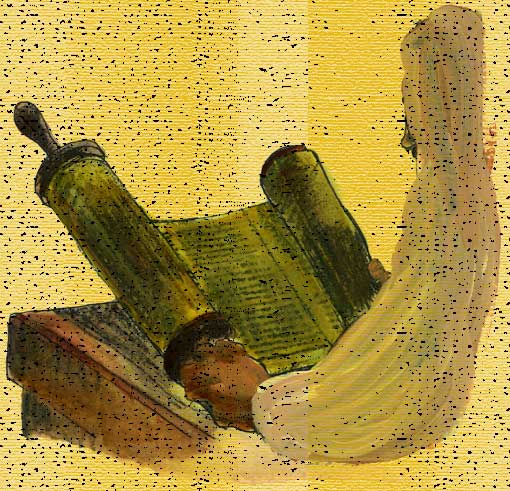
“The Spirit of the Lord is upon me, because he has anointed me to bring good news to the poor. He has sent me to proclaim release to the captives and recovery of sight to the blind, to let the oppressed go free, to proclaim the year of the Lord’s favor. Today this scripture has been fulfilled in your hearing.” How’s that for a sermon? The gospel in a nutshell! What else is there to say?
Well, Jesus has a LOT more to say. But for some bizarre reason our lectionary splits this story in half, so we won’t hear the rest until NEXT week. And he’s going to have some choice words for the congregation then. Spoiler alert – they’re going to flip out and try to kill Jesus. But let’s try to hold off on that for now since Pastor Kirk will have the honor of wading through all that with you. And that’s ok, because even just this first half in itself has something crucial to say to us.
So the story starts with Jesus being filled with the Spirit. A report about him spreads throughout the region, and he’s praised by everyone. Now, we know from all the gospels that Jesus’ MO is always moving from village to village teaching, healing, and casting out demons by the power of the Spirit. He always draws a crowd wherever he goes, so it’s probably safe to say that word about all this gets back to Nazareth well before he ever pays a visit to his hometown. So he’s back home, and as his custom he goes to the local synagogue for Shabbat. Now, it’s interesting that they ask Jesus to stand and read from the scriptures. Since Luke makes a big deal about this being Jesus’ hometown, and that Jesus has this huge reputation preceding him, we figure they’re giving him the royal treatment. Let’s have our celebrity read for us and help us be better people. Or maybe it’s even better than that. Maybe he’s actually the Messiah come to organize the Jewish people against the oppression of the Roman Empire. So there’s a little suspense in the crowd.
But there’s something really odd about it. How synagogue worship operated in the day was that the priest would read a section of Torah (Genesis, Exodus, Leviticus, Numbers, Deuteronomy) and give a teaching on it. The focus was to teach God’s covenant to the congregation and how to live in obedience to that. If you think about how complicated some of those Levitical laws seem, you figure the teaching was pretty vital. And they’d also read a passage from one of the prophets as a way to reinforce that teaching. It’s like if you read in Torah about how to deal with lepers, maybe you’d read the story of the healing of Naaman the leper as a way to help you remember how to keep the law. The law is all that matters. Naaman’s story is just a fun little side trip. So, Luke doesn’t tell us what the Torah reading was, but Jesus gets up and basically picks the passage from Isaiah that HE wants to read, like he doesn’t care what the priest read before him. And he doesn’t say anything about obedience. He only talks about what he’s doing, like obedience doesn’t even matter to God. And then he sits down.
Well, imagine the uproar over that! It’s not just that Jesus is clearly hijacking the service and derailing the priest, but he’s not teaching the congregation anything about obeying the covenant or making the world a better place. Everyone knows that’s how it’s supposed to work. But no, he’s only talking about what he’s going to do for some anonymous folk. The poor, the captives, the blind, the oppressed. Who are they? Jesus doesn’t say because he’s not making ANY promises to that congregation that they can hear, and they resent it. No way could he be the Messiah. It’s like Jesus has thrown loyalty right out the window. And worse, it’s not a stretch to imagine the judgment they hear in Jesus’ words. You had your chance to make things right, but you squandered it, and now I have to come and fix the disaster you caused. No wonder everyone in that congregation erupts in anger and violence against Jesus. They want him dead.
But we can’t demonize them. We understand them better than we realize. Because deep-down, we have pretty strong ideas about who deserves Jesus’ promises and who doesn’t. There’s the poor who we pity and the poor who make bad decisions. The captives wrongly accused and the captives who deserve incarceration. Those blind by no fault of their own and those willfully blind to their privilege. The oppressed who suffer injustice and the oppressed who make up stories. Yet Jesus came for them all as if our good works or discipleship never mattered in the first place. But the instant he rips that away from us, what have we got left?
Well, what we have left is the only thing that ever mattered at all. We have Jesus, who comes for the poor, the captive, the blind, and the oppressed. They were never anonymous. They’re us. But Jesus knows exactly how bound we are, and he loves us too much to let any of this be the last word for us. So he goes to the cross to suffer and die for our sake. He has to bind us to his death because it’s the only way he can bind his resurrected life to us, so that we would be a new creation, filled with the power of the same Spirit that filled him. By the Spirit, we finally have faith to know that we don’t get to choose to be Jesus’ disciples. Jesus chooses us, and he always gets exactly what he wants. Everything has been accomplished, and that’s why Jesus tells us with full confidence that today this scripture has been fulfilled in our hearing.
So Jesus immediately sets us to work with his word of forgiveness. It’s the only good work we CAN do, because it’s the only thing that has actual power to redeem the world. It liberates us to be freely generous without obligation or expectation. It lets go of the retribution that holds us captive to the past. It opens our eyes to our privilege so that we would see how to dismantle it for the sake of true justice and equality. It opens our ears to hear the cries of the oppressed and listen to them when they tell us. Everything springs forth from that Word of God because it’s the only way we can know the difference between obligation and freedom. The difference between law and gospel, and this tired world needs that more than anything.
But of course, when the rubber meets the road, it’s hard work. Disciples aren’t perfect because the old creation lingers. We still get bright ideas about what the world needs. We still let our mouths write checks that our butts can’t cash. We’ll still have those days when we lose our way and fear the worst. But Jesus will always bring us back home to his table, to fill us again with his promise and assurance that makes everything worth it after all. Thanks be to God.
 gracewerks