Sermon for 4th Sunday after Epiphany – Deuteronomy 18:15-20 & Mark 1:21-28
I remember back when I was in seminary, one of my favorite Old Testament professors preached a sermon about Jeremiah. I don’t remember exactly what she was preaching, but I do remember her talking about how prophets don’t often seem like particularly friendly people. Usually angry. And I remember her saying, “Sometimes you might be a prophet, and sometimes you might just be a jerk.” That’s always stuck with me, because when I picture a prophet, I picture some weird guy with scraggly hair, standing on a street corner, with a megaphone and a sandwich board saying we’re all going to hell. Of course, they say you can catch more flies with honey than vinegar, but I guess they didn’t get that memo. But, it always reminds me of a question – how do you know whether someone’s really a prophet?
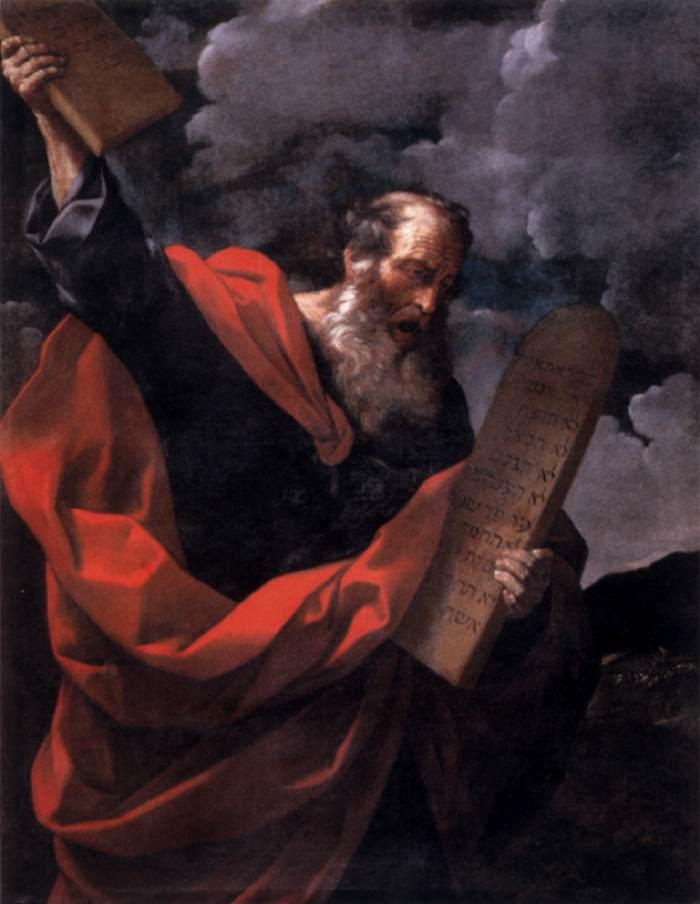
That’s the theme of our Old Testament reading from Deuteronomy, which literally just means “2nd law”. Moses teaches God’s laws to the Israelites for the second time, because once wasn’t enough. The first time was at Mount Sinai or Mount Horeb. Two names for the same mountain. God descends upon the mountain with fire and smoke and earthquake, and speaks the commandments to Israel. Because that’s what God sounds like. But, this is all too much for folks. All they hear is thunder and lightning and rumbling, and it’s terrifying. So they beg Moses, “Look, you speak to us and we’ll listen, because God’s speaking is going to kill us.” So Moses goes up the mountain for God to give him the stone tablets.
But it’s taking a LONG time. 40 days up on the mountain. Back down on the ground, folks are getting impatient. Where’s Moses? Did he run away? Did he die? Did God abandon us? They lose faith, so they beg Aaron the priest to make them an idol to worship. Up on the mountain, God tells Moses, “Guess what your peeps are doing. You better get your cousins.” So Moses comes down. He sees folks worshiping the idol. He’s furious. He smashes the tablets and the idol. Then he rounds up a posse with swords to go and wreak restitution on the people for their idolatry. Suffice to say, giving the law for the first time is pretty traumatic.
Flash forward a few decades of drama. They get to the Jordan river. Canaan’s right on the other side. But, they spy the Canaanites and freak out. “What, did God bring us all this way for them to destroy us?” Moses tries to calm them down and says “Don’t fear. God will show you the way.” But they ignore him. They fight their way in, and get beaten back, so they cry to the Lord, but God’s had enough. So God decides only a few will cross and that’s it. No one else. Not even Moses, because he failed to do as God called him. His job wasn’t just to lead them to Canaan. He was supposed to keep them in faith, but every time the going got hard, Moses caved. So, Deuteronomy is Moses explaining all this to the Israelites, and giving them the law for the second time, because it’s their last chance. Once Moses finishes talking, he dies.
So this reading is when Moses is explaining the rules for the few who will enter Canaan. God will appoint some of them as leaders to enforce the commandments, which should be enough. But God also knows their track record. Even those leaders will fall short. God still needs to keep speaking to the people. So Moses says, “The Lord your God will raise up a prophet like me from among you. Remember what happened at Mount Horeb. You can’t handle hearing God speak. So God’s going to raise a prophet and speak through them.” Then two warnings. First, anyone who doesn’t heed the prophet, God will hold accountable. Which makes sense, because God expects obedience. Even though the Israelites are anything BUT obedient. Second, any prophet who speaks in the name of other gods, or dares to speak a word that God didn’t command, will die. In other words, false prophets.
So here’s the thing. God’s commandments aren’t like a map to get from here to there. We’re already driving. In fact, we were born driving. And everyone knows babies don’t know how to drive within the lines. So, God sets down commandments like a guard rail, because folks keep driving off the edge. Except how many guard rails do you see bent or run over? So, Moses warns about folks who doesn’t heed the prophet because how well did folks listen to Moses? Not well. In other words, if we ever do hear a prophet, we’d better be very, very worried, because prophets are de facto bad signs. And Moses warns about false prophets because there will be false prophets. The golden calf made that clear. But here’s the worst part. Moses knows exactly what our very first question will be, and bless his heart, he tries to spare us the embarrassment. Moses says, “You may say to yourself, ‘How can we recognize a word that the LORD has not spoken?'”
Friends, we’ve got a problem. A God problem. Because in the end all the commandments just boil down to one thing. “You shall love the Lord your God.” All justice and righteousness arises from this one thing. But we don’t seem to understand it, because we don’t love our neighbors as ourselves. Hasn’t the pandemic made that obvious? We’re all guilty in one way or another. And if we can’t love our neighbors, we can’t love God. It’s impossible. The weight of that guilt would crush us, but we distract ourselves by listening to all these folks who just reinforce our biases and prejudices, because they give us convenient answers and we don’t question it. Our favorite politicians. Talking heads. Social media. Deep down, we look to them for truth as if they were prophets. I confess I’m guilty of it. But in the end truth only comes from God. Except if we don’t recognize when God speaks, then we can’t tell if God has stopped speaking to us either.
So, here’s the good news. God is speaking to us right now, in the person of Jesus – God’s only Son our Lord, who died on the cross, and rose for our sake. Jesus always tells the truth, and it’s pretty much always the same thing. I forgive you. He forgives our neglect and our self-centeredness, and grants us a new heart of faith by his own Spirit. The one thing that Moses could never have done, Jesus does it to us over and over again, unconditionally. And right there, that’s how you recognize a true prophet. It’s the easiest thing in the world. It’s the one who gives you Jesus’ own word, and the only reason they do it is because they’ve received it themselves. So what this means, is that God is giving us an abundance of prophets making more prophets, and that’s not just a very good sign. It’s power to change the world.
That’s why our gospel this morning gives us the story of Jesus going to the Capernum synagogue. Mark says “They were astounded at his teaching, for he taught them as one having authority, and not as the scribes.” Now, Mark doesn’t tell us exactly what Jesus was teaching, but we know what the scribes would have taught – they would have taught all about Moses and the commandments and sent everyone home. So that leaves just one thing that only Jesus could do – pronounce forgiveness, right there in the synagogue. And wouldn’t you know, a man with an unclean spirit presents himself. As soon as the spirit opens its mouth, Jesus rebukes it and sends it away. That’s what forgiveness is all about – Jesus releases us from the past so that we can live into God’s future, and it was so powerful for those folks that they couldn’t help but tell their neighbors. No wonder his fame spread throughout Galilee.
That’s what forgiveness does. It draws it to our neighbors so that we can give them that gift. And these days, that might be what we need most of all. We all know folks who are clinging to things we know aren’t true. It’s so easy to cut them off or say “I told you so”, but that only pushes folks to double down because there’s nowhere else for them to go. So forgiveness says there really is another way, and makes a space for them in the kingdom of God come near. Of course, Jesus never said it would be easy. But if Jesus can forgive us, then anything is possible.
 gracewerks