
Sermon for Seventh Sunday after Epiphany – Genesis 45:1-11, 15 & Luke 6:27-38
This week I almost had to serve on a jury for a criminal case, involving domestic violence. Now, when I watch TV shows with a court scene, I have a pretty strong opinion about whether I think folks are guilty, and what I think they deserve. I think most folks have the same thought, even though we may not want to admit it. But as the defense attorney questioned us in order to figure out who he wanted to keep or dismiss, it struck me that all of his questions seemed to revolve around a central strategy. In the absence of any other evidence, based on witness testimony, could you convict? Now, I’m not sure if he was aiming to go for a he said/she said strategy, because after a few hours we were dismissed because there weren’t enough jurors. But it drove home the seriousness of making such a decision, and I found myself wondering how exposed it would feel like to be talked about in the third person in front of a court of strangers. Even if the perpetrator is guilty beyond reasonable doubt, when you’re face-to-face with someone, assigning a sentence is a solemn task. And, what makes a victim believable? So, I was glad to be dismissed.
It got me thinking about the story of Joseph and his brothers. Joseph makes a lot of claims about God’s will, but how believable are they?
Now, there’s a lot to like about Joseph. Every time folks push him down, he rises. His brothers are jealous that he’s the favorite son. They’ve got to get rid of him, so they sell him to traders. Then he’s bought by Potiphar, the captain of the Egyptian army. But just as he earns Potiphar’s trust, Potiphar’s wife tries to seduce him. He resists, so she frames him for adultery and they throw him in prison. Then Joseph starts interpreting dreams for other prisoners. Word spreads. Pharaoh hears. So when Pharaoh has a nightmare, he asks for Joseph. Joseph warns about a coming famine, so Egypt needs to stockpile food. Pharaoh’s grateful. He puts Joseph in charge. Joseph prepares so well that when the famine hits, the whole world comes to buy grain, including his brothers.
And lo and behold, Joseph actually forgives them. He gives them land to move nearby. He pledges to take care of them through the famine. And he says, “Don’t be distressed for selling me into slavery. It was all God’s plan to put me in Egypt, so when famine comes I could take care of you.” That’s super-human virtue right there.
But what if Joseph’s too good to be true?
As a boy, he gives his father bad reports about the brothers. Are they true? We don’t know. But who’s Dad going to believe? His trophy son, or the others? Then Joseph tells them about dreams where they all bow down to him. Even his parents. What do you think? Coincidence? Or did Daddy raise a narcissist? In prison, he interprets the dream of a guy who just happens to be Pharaoh’s chief cupbearer, and says, “Hey, tell Pharaoh about me.” When he interprets Pharaoh’s nightmare, he says, “Hey, you should pick someone wise and set him over the land of Egypt.” (HINT!) By the way, fun fact. Droughts weren’t rare. Toward the end of the Bronze Age (~1200 BC), there was a cycle of droughts and famines for decades. (See footnote below). So was Joseph really giving Pharaoh a message from God, or just a sign of the times? Either way, he’s pretty shrewd.
And then there’s what he does to his brothers. They come in desperation. They don’t recognize Joseph but he recognizes them. He treats them harshly. He accuses them of being spies on a mission to undermine Egypt. They freak out. “No, we’re just some brothers from Canaan. Dad’s back home with our youngest brother Benjamin.” Now, they all know losing Benjamin would destroy their father, so Joseph tells them they can prove their innocence if they deliver Benjamin. And then throws them in prison for three days so that they’ll be desperate enough to do whatever he asks. Joseph overhears them lamenting that this must be God punishing them for what they did to him. So Joseph releases all but one of them, to go get Benjamin. To make them pay the greatest cost of all – to break their father’s heart. And on the way, they just happen to look in their sacks, and they see the money. But how? They’re stunned. They’re sure they paid for the grain. Didn’t they? That’s a textbook case of gaslighting right there – Joseph’s had his people put the money back in their sacks, so they start doubting themselves, or blaming God.
Eventually they run out and have to go back. With Benjamin. They bring double the money because they’re also desperate to pay their debt. They confess they have no idea how it happened. So Joseph has his servant lie, “It must be God’s blessing. I received your money.” Joseph meets Benjamin. Acts cordial, like everything’s fine. But when he sends them back home, he pulls the same money game again. And this time has his silver cup put in Benjamin’s sack. And as the brothers head back, Joseph sends his steward to catch them in the act of stealing. They get hauled back. Joseph has totally broken them down. And now tells them that he’s going to throw Benjamin in prison and send the rest back to their father. They’re destroyed.
And Joseph “weeps so loudly that the Egyptians heard it, and the household of Pharaoh heard it.” But is it because he missed them, or because he regrets torturing them. He didn’t just pay back. He gave interest. And here’s the thing. He only did it because he remembered those old dreams where everyone bowed down to him. Like he was just making his dreams come true. So can we trust Joseph at all? Because after all this, it’s hard to believe that his brothers could.
Can we relate to Joseph? Have we ever fantasized about getting even? With all those folks who abused us or took advantage of us. Or maybe just show off how great our lives turned out, and let jealousy eat them up inside. How many high school reunions go that way? Think about Joseph saying, “Hurry and go tell my father, God has made me lord of all Egypt.” Sure, it’s great that he wants to save them, but it also feels like a savior complex. Like when someone we don’t like is in need, our helping hand can turn into a real power move. A way to control them. A little bit like playing god. But even if we don’t take action, God knows the thought in our hearts. It doesn’t feel good to think about this, but if we dig deep enough, something rings a little too close to home.
But the good news is that this isn’t the only story. We know another story, as close as our next breath. A story about someone who was falsely accused. Who was abandoned by his family and friends. Who wasn’t just thrown into a pit or sold into slavery, but nailed to a cross to die. This was Jesus, our Father’s best beloved, God come among us in flesh and blood. But he never lorded any of that over us. Instead he emptied himself, giving us everything he had, so that we could have everything in heaven and earth. He never leaves us wondering where we stand with him, but gives us his word of forgiveness. He never makes us beg for anything, but only asks us, “What do you want me to do for you?” And he never plays games with us. He loves us too much for that.
That’s important to remember, because sometimes Jesus tells us things that are hard to hear. He tells us to love our enemies, do good to those who hate us, bless those who curse us, and pray for those who abuse us. This makes sense, because Joseph shows the truth about revenge. It’s always a two-edged sword that hurts us back. And honestly, it either feeds hatred, or it leaves others feeling as wounded as we feel. And that’s not an answer. But at the same time, who could possibly love the one who wounds us? And what about justice? Jesus says, “If anyone strikes you on the cheek, offer the other too.” Isn’t that the last thing a victim needs to hear?
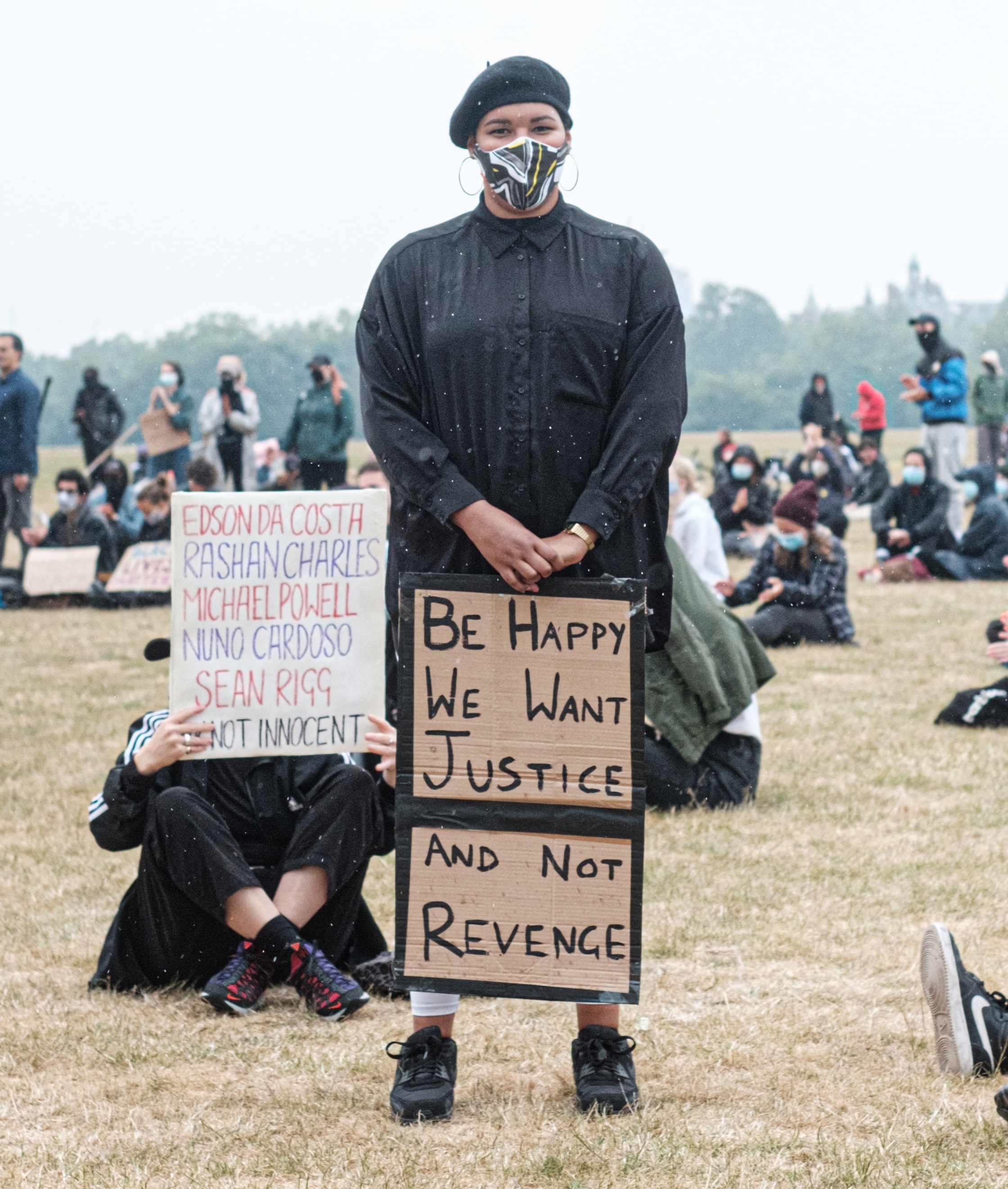
So we have to remember that here Jesus is talking to folks who actually have a choice between waging violence or peace. Those who have the privilege of choosing the hardest thing, because faith insists it’s the only way to transform our enemies. To confront them with the reality of their violence and hatred – their racism, homophobia, gender violence, elder abuse. To draw compassion out of them, because no one is beyond Jesus’ reach. And this same faith drives us to stand in-between perpetrators and victims. To be the kind of allies that we wish we had. To do to others as we would have them do to us. Because in the kingdom of God, no one’s cheek would be struck in the first place. Jesus never said this would be easy. But by faith, we know that all things work together for good for those who love God.
PS – Here’s an interesting article about weather patterns and similarities between the story of Joseph and ties to Egyptian history – https://www.thetorah.com/article/joseph-and-the-famine-the-storys-origins-in-egyptian-history
 gracewerks