
Sermon for Seventh Sunday after Epiphany – Genesis 45:1-11, 15 & Luke 6:27-38
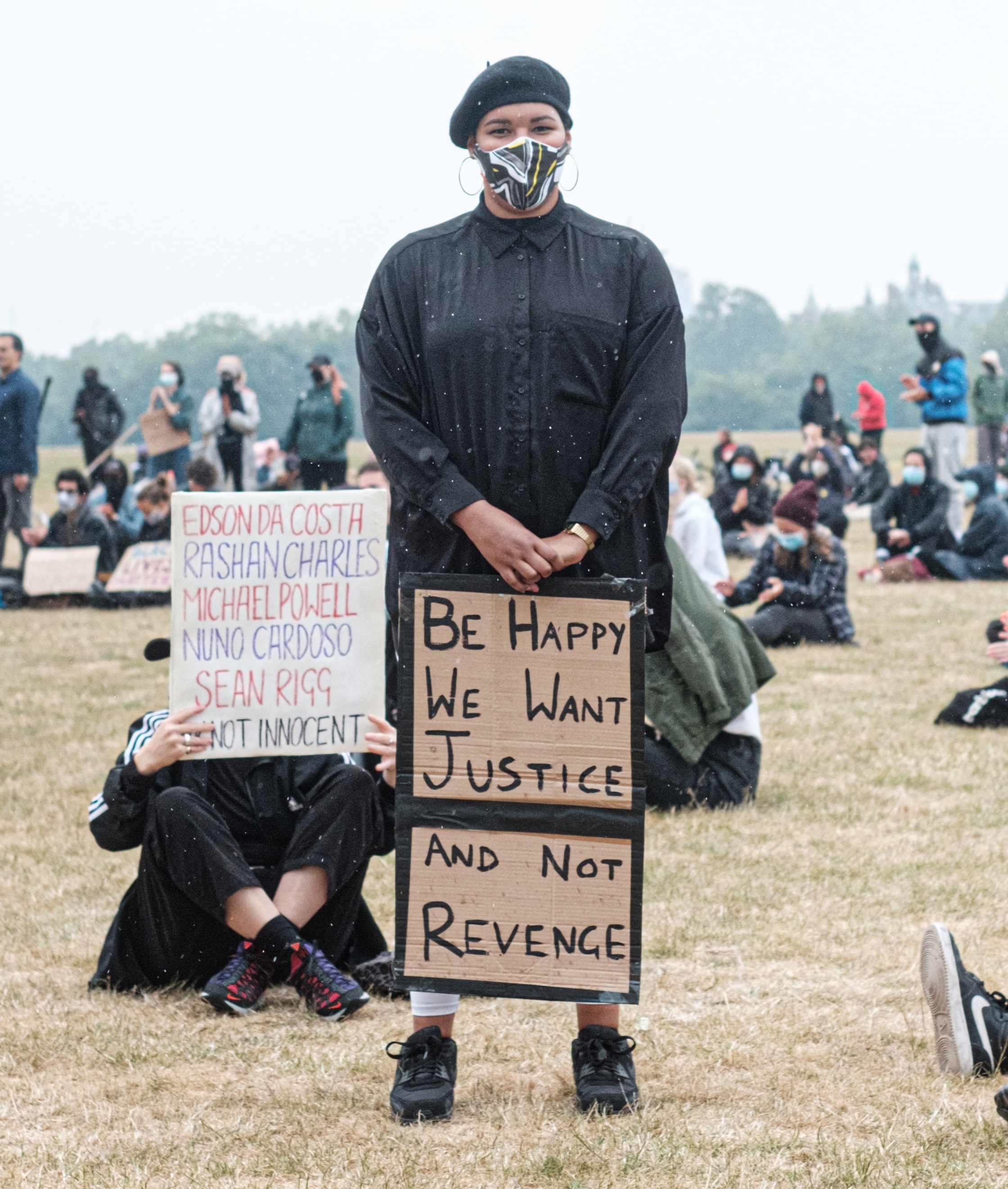
This week I almost had to serve on a jury for a criminal case, involving domestic violence. Now, when I watch TV shows with a court scene, I have a pretty strong opinion about whether I think folks are guilty, and what I think they deserve. I think most folks have the same thought, even though we may not want to admit it. But as the defense attorney questioned us in order to figure out who he wanted to keep or dismiss, it struck me that all of his questions seemed to revolve around a central strategy. In the absence of any other evidence, based on witness testimony, could you convict? Now, I’m not sure if he was aiming to go for a he said/she said strategy, because after a few hours we were dismissed because there weren’t enough jurors. But it drove home the seriousness of making such a decision, and I found myself wondering how exposed it would feel like to be talked about in the third person in front of a court of strangers. Even if the perpetrator is guilty beyond reasonable doubt, when you’re face-to-face with someone, assigning a sentence is a solemn task. And, what makes a victim believable? So, I was glad to be dismissed.
It got me thinking about the story of Joseph and his brothers. Joseph makes a lot of claims about God’s will, but how believable are they?
Now, there’s a lot to like about Joseph. Every time folks push him down, he rises. His brothers are jealous that he’s the favorite son. They’ve got to get rid of him, so they sell him to traders. Then he’s bought by Potiphar, the captain of the Egyptian army. But just as he earns Potiphar’s trust, Potiphar’s wife tries to seduce him. He resists, so she frames him for adultery and they throw him in prison. Then Joseph starts interpreting dreams for other prisoners. Word spreads. Pharaoh hears. So when Pharaoh has a nightmare, he asks for Joseph. Joseph warns about a coming famine, so Egypt needs to stockpile food. Pharaoh’s grateful. He puts Joseph in charge. Joseph prepares so well that when the famine hits, the whole world comes to buy grain, including his brothers.
And lo and behold, Joseph actually forgives them. He gives them land to move nearby. He pledges to take care of them through the famine. And he says, “Don’t be distressed for selling me into slavery. It was all God’s plan to put me in Egypt, so when famine comes I could take care of you.” That’s super-human virtue right there.
But what if Joseph’s too good to be true?
Continue reading






 In the wake of the killing police officers in Dallas and Baton Rouge, as well as our country’s on-going discussion on Philandro Castile and Alton Sterling, not to mention the end of one of the most xenophobic and frightening political conventions in history, “We Talk. We Listen.” is now teaming with its authors to point a way forward out of the tragedies of the from the beginning of this month. Pulling from the wisdom of African American thinkers,
 gracewerks